


Not Another Lana Del Rey Article
Lana Del Rey is the joke of 2k11, and the one laughing is Del Rey herself.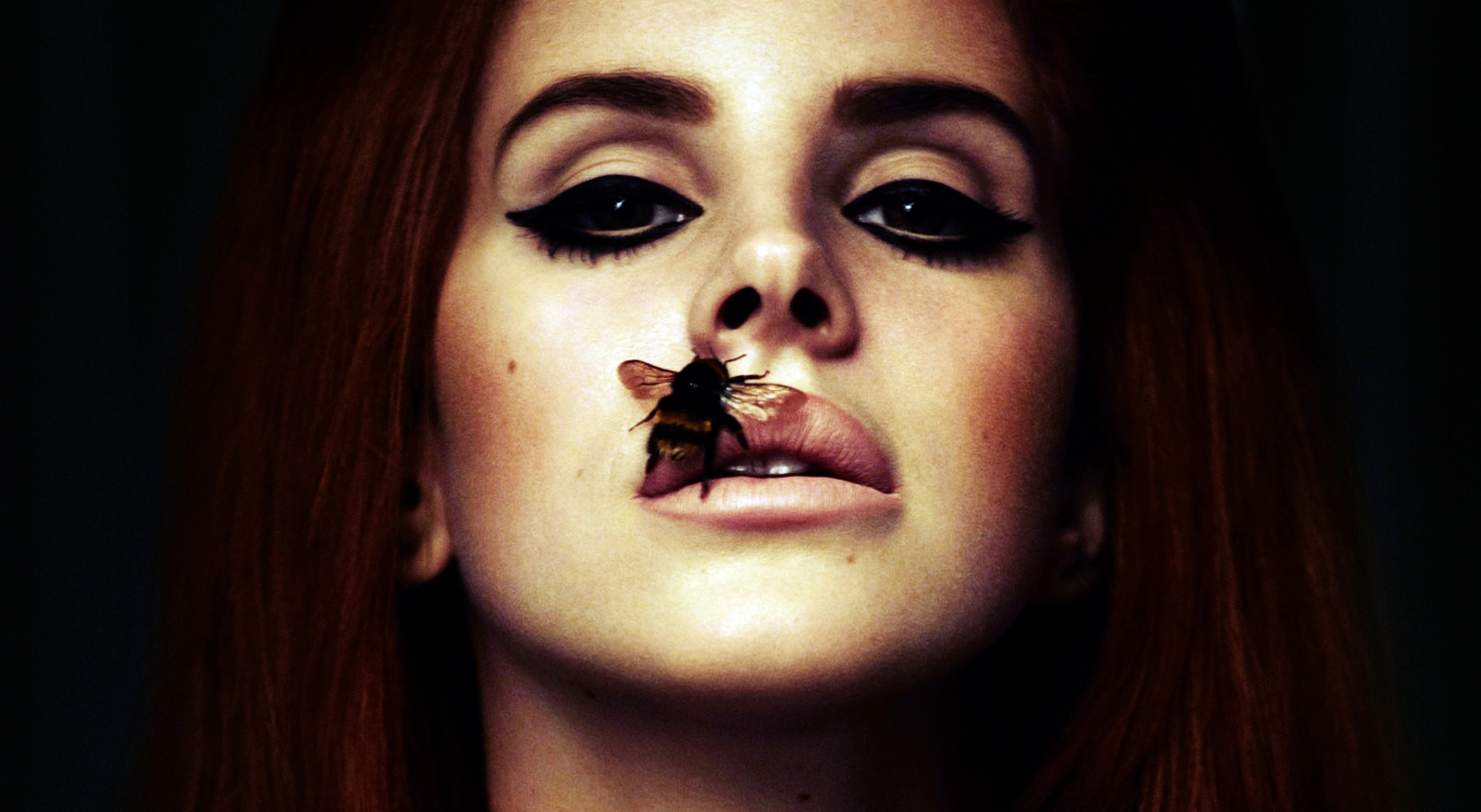
Flavor-of-the-month pop tartlet Lana Del Rey’s impeccably groomed public persona is the best prank of 2011, and the joke’s on us. Much was made, throughout 2011, of Del Rey’s consistent inconsistencies, her metaphorical mask continuously dissected yet never quite fully uncovered. The proverbial bubble Del Rey positioned herself into shot into column mile-generation overdrive on the back of a slim pedigree – one single – the ubiquitous “Video Games” – and the most elusive figure music has seen in a long time.
The press on Lana Del Rey spans the gamut – from Hipster Runoff’s proto-ironic takedowns of her surgical and musical exploits, to more guarded editorial pieces that delineate a softer stance appropriated by the mainstream press. If the softer editorial tone is an indication of anything, it is testament to the crossover appeal of her music – albeit the little of it there is – in “Video Games”, for instance, ornate harps and weighty pianos embellish a heart-punching tale of unrequited love and hopeless romance. With “Blue Jeans”, the follow-up tale of a love lost to the pursuit of money and cars, Del Rey continued to paint herself as the eternally forlorn protagonist, the forever abandoned, powerless girlfriend. On an artistic level, criticism leveled against Del Rey doesn’t refute her as a musician any more than we have seen with previous indie starlets that have broken out with similarly blind abandon, with opinion split largely down the middle. While calls for any of her singles to be hailed as the best thing music has heard this year are overblown and, frankly, ridiculous, Del Rey’s music is pleasant and inoffensive enough. Much like Del Rey herself.
Del Rey has, however, been the subject of a much larger, ongoing smear campaign you probably know all about, preoccupied with taking down the myth of her “realness”: from her pouty fake lips to her dubiously inconsistent backstory.
Who is Lana Del Rey, then? We don’t know, and, beyond what Del Rey herself has said, which isn’t much at all, we won’t ever know. Frankly, we don’t care. Elizabeth “Lizzy” Grant, Lana’s real name before Lana existed, was – she’d like us know – only a year ago a down-and-out struggling musician on the brink of being dropped by the small label that released her “mainstream” EP, Kill Kill. Of course, Kill Kill has since been buried, and little trace of it exists anymore. But this is part of the Lana experience. Her stooges would like us to believe that, before “Video Games”, nothing really existed, or at least, nothing that existed matters.
Del Rey doesn’t have any real fans yet. Her “fans” are YouTube followers eager for their early crush to blossom into a fully-formed romance. Her debut full length, Born To Die, out at the end of January, will probably take care of that. Little do they care that none of her videos are really made by her, montages of extraneous vintage-looking footage interspersed with footage of Del Rey looking various kinds of dreamy.
But Del Rey’s undoing may be the thing that made her in the first place: the ethereal gaze aimed to ape the old glamour days of yore is more Heather Graham than Ava Gardner. The artifice has already shown signs of cracking. On stage, she is timid, shy, unsure of her interaction with the crowd. Her voice is inconsistent, her personality slim. You get a sense the “trying” part doesn’t come easy for her. Del Rey, it turns out, doesn’t have much to tell us. The incomprehensibly pouty lips are symptomatic of a larger attempt to use Del Rey’s charming visage as a distraction, a way of diverting attention away from the realization that underneath the attractive exterior, there isn’t much to discover. Lizzy Grant wouldn’t sing “Let me fuck you hard in the pouring rain, you like your girls insane”, but Lana Del Rey does.
If we divorce Del Rey’s music from the character, we have a body of work that is intriguing, but unexciting. A body of work that would not have garnered this much attention was it not for the clever machinations behind the Lizzy Grant project. In that regard, Del Rey is 2011’s best played joke, and we all fell for it.